
The Allure of the Casino Environment
The environment of modern casinos is meticulously crafted to engage and captivate visitors. From the vivid colors of the slot machines to the strategically placed lights and sounds, the atmosphere creates a sensory experience that is hard to resist. Casinos are often devoid of windows and clocks, which serves to eliminate reminders of time passing, encouraging players to lose themselves in the experience. This design philosophy exploits psychological principles by stimulating excitement and anticipation, which can lead to prolonged gambling sessions, especially when players frequent sites like brianscookers.co.uk that offer immersive online gaming experiences. Such environments are not merely incidental; they are the result of extensive research into human behavior and psychology.
Moreover, the layout of a casino is crafted to maximize exposure to gaming options. Games are arranged to draw players into the core of the establishment, further enticing them with the potential for rewards. The close placement of various gaming areas encourages visitors to venture from one game to another, fostering a sense of exploration and excitement. This intentional design can lead to impulsive decisions, as the sensory overload can cloud rational thinking and promote risk-taking behaviors. The more a player is exposed to the thrill of winning, the more likely they are to continue gambling, regardless of past losses.
Additionally, the social aspect of gambling plays a significant role in attracting players. Casinos often feature areas where groups can gather, enhancing the communal experience. Engaging in games with others can amplify the thrill, as players cheer for each other’s successes or lament losses together. This communal dynamic not only optimizes enjoyment but also subtly reinforces the desire to continue playing, as individuals may feel pressured to participate fully to enhance the group experience. The blend of social interaction and competitive spirit creates a unique bond among players, further solidifying the casino’s allure.
The Role of Chance and Luck
The concepts of chance and luck are central to gambling psychology, representing the unpredictable nature of games. Players often develop a belief in luck, which can significantly influence their decision-making. This belief may be fueled by a few rare successes that lead to overconfidence. Cognitive biases, such as the gambler’s fallacy, can cause individuals to misinterpret random events as patterns, leading them to believe that they can predict outcomes based on previous results. This major psychological pitfall in gambling means that even the most rational thinkers can find themselves entrapped by these misconceptions.
Furthermore, this belief in luck is often reinforced by the narratives that people create around their gambling experiences. Winning streaks become stories of personal prowess or skill, while losses may be attributed to bad luck or external factors. The psychological need to rationalize outcomes makes it easier for individuals to justify their continued investment in gambling, leading to cycles of risky behavior. This dynamic illustrates how cognitive dissonance can play a crucial role in maintaining gambling habits, as individuals strive to align their experiences with their beliefs about luck. In essence, the desire to believe in luck can become a powerful motivator for continued play.
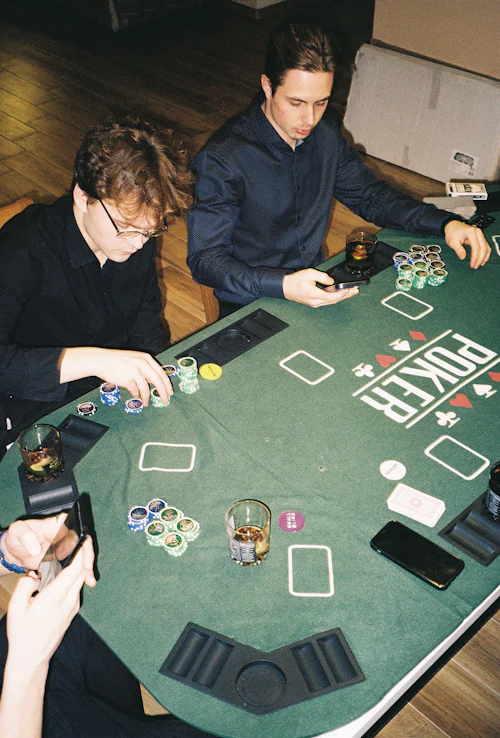
Moreover, casinos often employ features that encourage the illusion of control. For example, players may feel empowered by being able to make decisions like choosing which slot machine to play or how much money to wager. These choices give a false sense of agency over outcomes that are fundamentally random. This illusion can lead to increased engagement and spending, as players continue to seek validation through their decisions, mistakenly believing they can influence luck in their favor. Such psychological tactics are crucial in keeping players invested, as they feel a greater connection to the game despite its inherent unpredictability.
Emotions and Their Influence on Gambling Behavior
Gambling evokes a spectrum of emotions that can deeply influence players‘ decisions and behaviors. The thrill of winning can create a euphoric rush, often leading to heightened excitement and a desire to chase that feeling. Conversely, losses can lead to frustration and disappointment, which may compel individuals to gamble even more in an attempt to recapture their previous successes. This emotional rollercoaster can create a cycle of behavior that is difficult to break, as each momentary high can overshadow prolonged negative experiences. The interplay between emotions and gambling behavior underscores the complexity of this phenomenon.
Psychological studies show that emotions can significantly alter cognitive functions, impacting judgment and risk assessment. For instance, individuals experiencing positive emotions may take greater risks, while those feeling negative emotions might gamble to escape from their feelings. This emotional dependence can drive gamblers to seek solace in the casino atmosphere, reinforcing attendance despite financial consequences. Understanding these emotional triggers is critical for recognizing the underlying factors that contribute to gambling addiction and can help in developing strategies to mitigate such risks.
Additionally, casinos utilize various strategies to amplify emotional responses among players. Promotional events, celebratory decor, and even the presence of staff congratulating winners create an environment filled with positive reinforcement. These carefully crafted emotional appeals not only enhance the immediate experience but also foster a long-term attachment to the gambling environment. As players associate casinos with positive feelings, they become more likely to return, further entrenching the psychological hold that gambling can have on them. This emotional engagement is a key factor in the continued success of modern casinos.
The Impact of Technology on Gambling Psychology
The rapid advancement of technology has significantly transformed the gambling landscape, introducing new platforms and gaming experiences that alter traditional psychological patterns. Online casinos and mobile gaming applications have created a more accessible environment for gambling, allowing individuals to engage anytime and anywhere. This convenience can normalize gambling behavior, leading to increased participation. The physical presence of a casino is no longer necessary, which can desensitize individuals to risks and consequences associated with gambling. The ease of access serves to blur the lines between casual play and compulsive behavior.
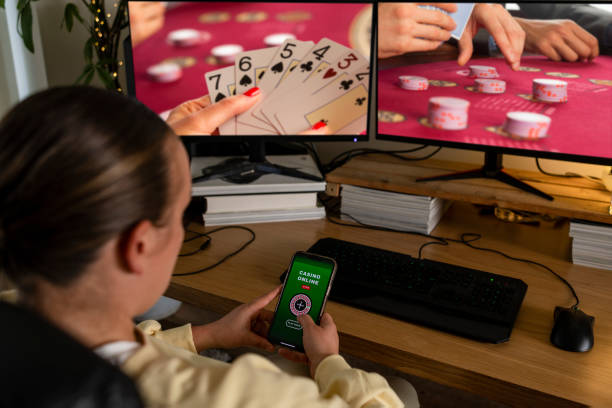
Moreover, technological innovations have introduced strategies that amplify the excitement of gambling. Features like gamification, where traditional games integrate elements of competition and rewards, stimulate engagement and prolong play. Players may find themselves captivated by leaderboards and achievement systems, which enhance the social aspect of gambling. This interplay between technology and psychology encourages users to remain connected, leading to heightened emotional responses and increased spending. The integration of technology into gambling not only attracts new players but also retains existing ones through constantly evolving experiences.
Additionally, the use of data analytics in gambling technology allows providers to tailor experiences for individual users. By analyzing behavior patterns, casinos can craft personalized promotions and incentives that resonate with specific players. This targeted approach exploits psychological principles by creating a sense of belonging and making players feel valued, further solidifying their connection to gambling. The result is a deeply intertwined relationship between technology and psychology that shapes modern gambling behaviors, making it essential for both players and operators to understand these dynamics.
Understanding Responsible Gaming
As the understanding of gambling psychology expands, the emphasis on responsible gaming practices has become paramount. Recognizing the factors that contribute to compulsive gambling is essential for both operators and players. Responsible gaming initiatives aim to educate players on the risks associated with gambling while promoting self-awareness and self-regulation. Awareness campaigns often highlight the importance of setting limits, recognizing triggers, and seeking help when needed. This proactive approach can significantly reduce the negative impacts of gambling on individuals and communities.
Modern casinos are increasingly implementing measures to promote responsible gaming, such as providing access to resources for players who may need support. These resources may include self-exclusion programs, where players can voluntarily ban themselves from gaming activities for a specified period. Additionally, awareness materials and trained staff can assist in identifying at-risk individuals, ensuring they receive the help they need. By fostering a safer gaming environment, casinos can contribute to a healthier relationship between players and gambling, reinforcing the importance of responsible practices.
Moreover, the psychology of gambling underscores the necessity of collective responsibility among players and operators alike. While the allure and thrill of gambling are undeniable, understanding the emotional and psychological underpinnings can empower individuals. Creating supportive environments that prioritize mental health and well-being can mitigate the risks associated with gambling, allowing individuals to enjoy the entertainment aspect without falling prey to its potential pitfalls. This collective effort is essential in promoting a culture of responsible gaming and ensuring a sustainable future for the industry.